
Terrestrial Ecology

Ecological surveying provides us with crucial information about the environment and the species living within it.
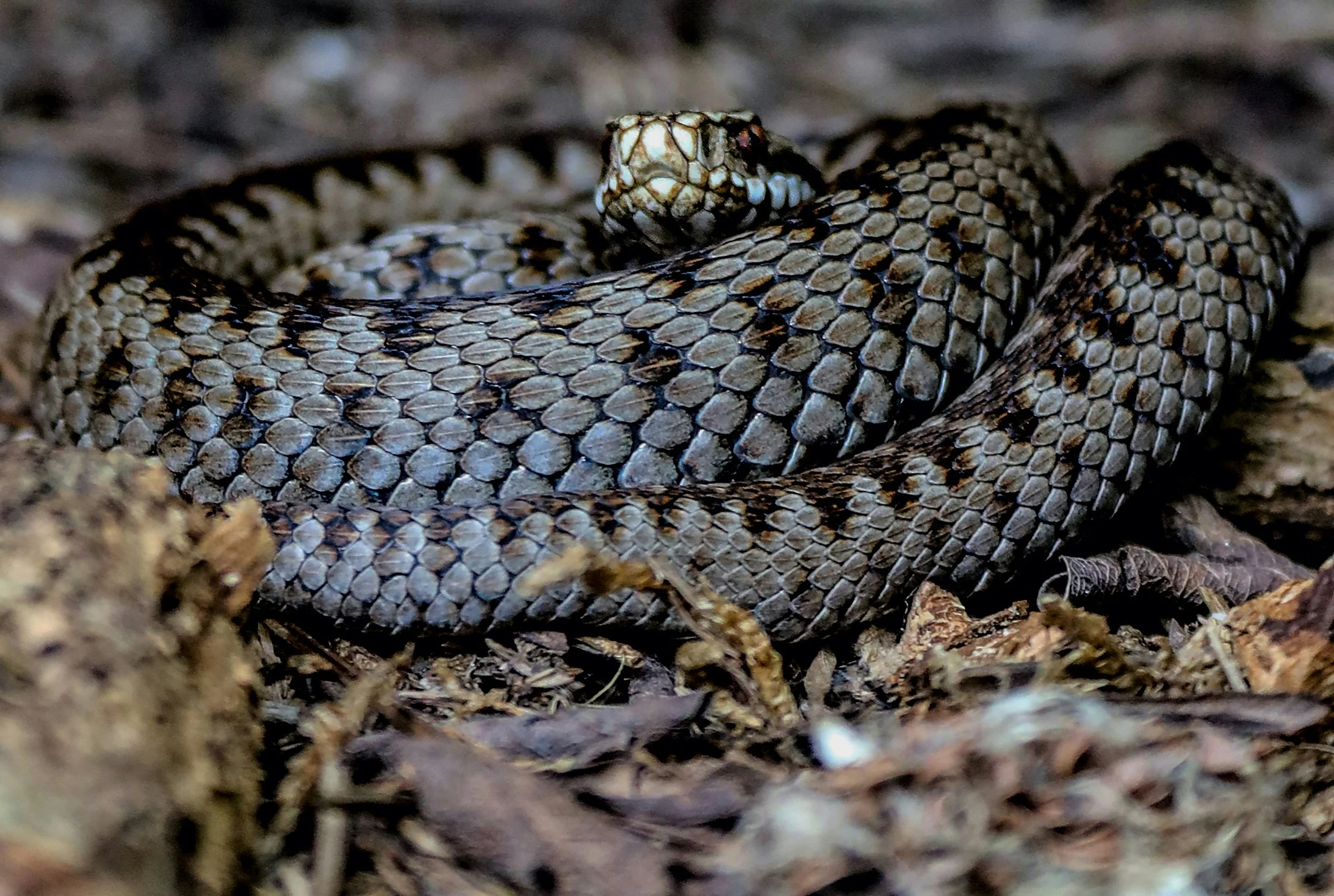
Ecological surveys are a vital component of any development project and are typically required to satisfy licencing requirements from public bodies, such as Natural England.
This could form part of the consultation period prior to construction, evidencing compliance with Biodiversity Net Gain, or wider habitat restoration projects.
Using our extensive experience in biodiversity monitoring in coastal, freshwater and terrestrial environments, we can help with all your ecological surveying requirements.
The Terrestrial Ecological Surveys we offer include:
Preliminary Ecological Appraisals (PEA)
Ecological Clerk of Works (ECoW)
Protected Species Surveys
Bats
Great Crested Newts
Otters
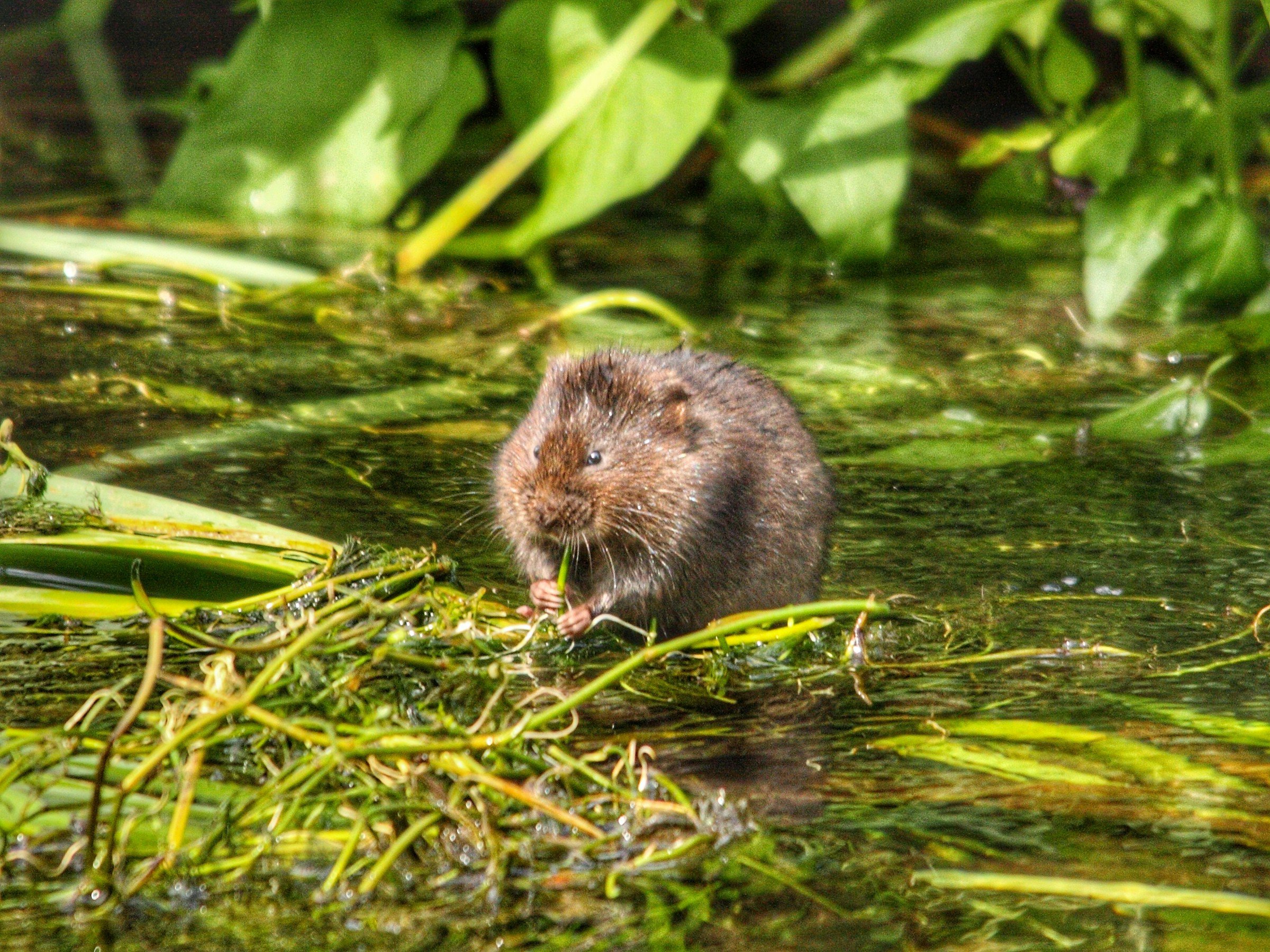
Water voles
Sea Aster Mining Bees
Bird surveys
Reptiles
Environmental DNA surveys (eDNA) from both water and soil/sediments
Case Studies
-
In early 2025, Exo Environmental fulfilled the role of Ecological Clerk of Works (ECoW) for Norfolk County Council to oversee the replacement of the damaged Moorgate footbridge over the River Bure near Blickling Hall.
An ECoW is an essential part of any construction project, providing expert advice and assistance to project managers to make sure they keep in line with environmental legislation and licence conditions
This project specifically required an ECoW due to the sensitive nature of the Bure’s chalk watercourse and the protected species that inhabit it too, including water voles and otters.
One of our team was on-site each day during the works to monitor for any indication that these protected species may be present. We also monitored the dissolved oxygen levels in the river, using a YSI EXO 3 multi-parameter sonde.
After two weeks, the works were successfully completed, with no damage to the chalk river or the species which inhabit it. Thankfully, the new footbridge is now open to the public, meaning local walkers will no longer have to take a two-mile detour!
-
In 2024, Exo Environmental, completed a number of bat surveys at properties managed by Landmarc on behalf of the Ministry of Defence.
Bat surveys are necessary for any building scheduled for development that may have the potential to support bat roosts. This is because all British bat species are protected, thus disturbing or damaging their roosts is a criminal offence under the Wildlife and Countryside Act 1981 and the Conservation of Habitats and Species Regulations 2017.
Preliminary surveys were initially carried out to explore whether or not the buildings possessed the viability for bat nesting. Though the roof structure and design of many of these properties immediately ruled them out, certain older buildings were found to have a high chance of providing the perfect home for these flying mammals.
Consequently, teams of 2 to 3 returned back to these older buildings at night to carry out emergence surveys of any potential bats going to and from their roosts. Using static thermal cameras and handheld recording devices, the teams were able to calculate the number and frequency of bat flybys to then determine whether these figures were reflective of bat roosting.
As expected, the results varied between each building. Therefore, we compiled a bespoke set of mitigations, which were provided within a unique report for each property.
-
Exo have recently conducted water vole surveys on behalf of Landmarc and the Ministry of Defence (MOD) at the STANTA training area in Norfolk and at Fingringhoe Ranges in Essex, in order for MOD to proceed with vital infrastructure replacement.
Water Voles are protected under both the Natural Environment and Rural Communities Act 2006 and the Natural Environment and Rural Communities Act 2006. Therefore, it's crucial to conduct surveys and obtain a species licence for any development project if any impact cannot be ruled out
Following the standard methodology, two surveys were conducted at both sites, with one during the first half of the breeding season between April & June, and the second between July & September.
Field signs were then checked for, such as footprints, burrows, feeding remains and latrines at both upstream and downstream of the project area on both banks for a minimum distance of 5m.
Unsurprisingly, results varied between sites. A bespoke report was compiled for each site, detailing whether or not a full licence must be obtained, or if mitigation strategies could be used to avoid this.