
Marine Ecology
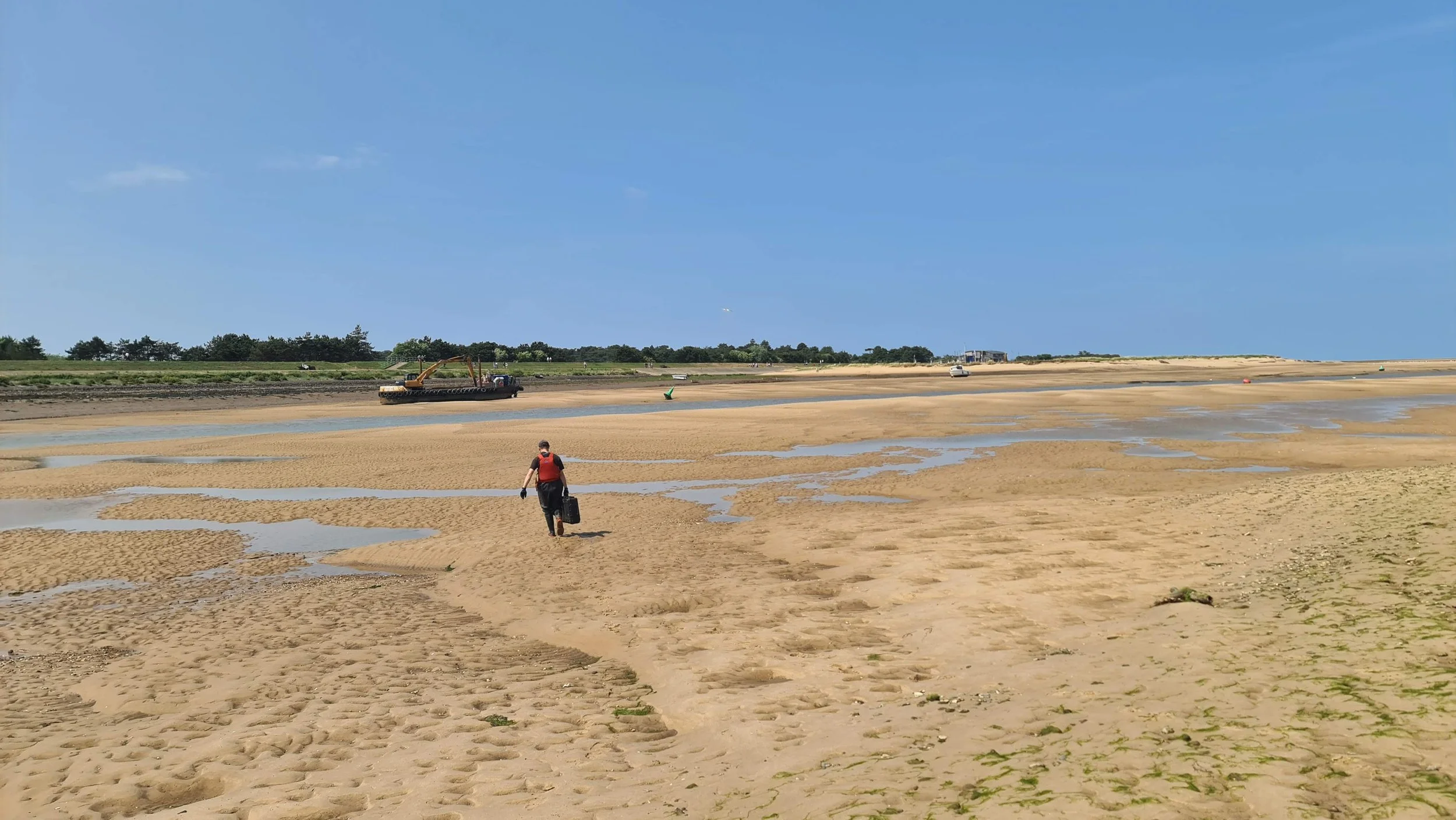
With our comprehensive experience in marine environments, our team is perfectly suited to provide all the marine ecology surveys that your project may require.
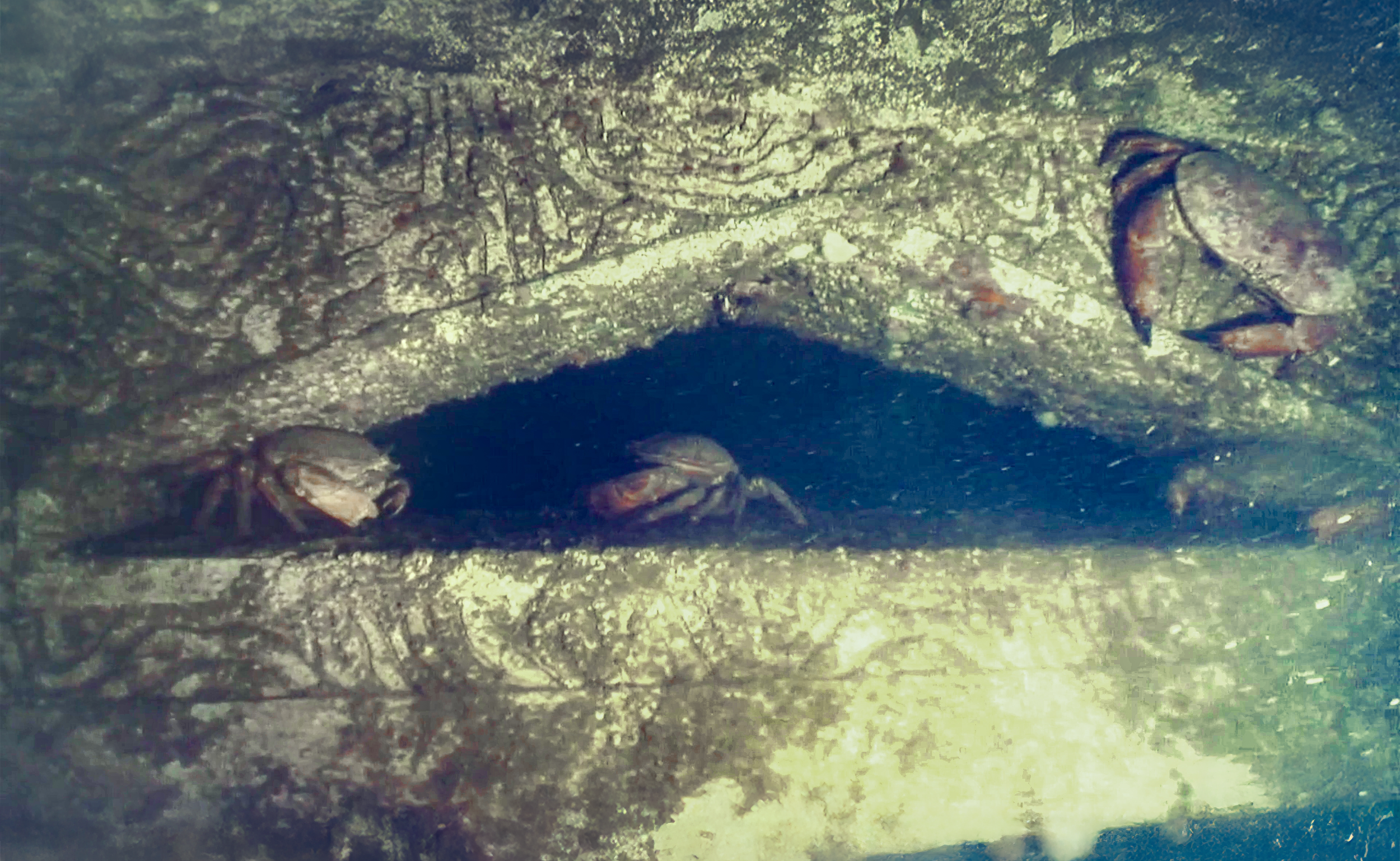
Marine ecology surveys form an important part of any habitat restoration project. Establishing a baseline, and quantifying species diversity and richness changes throughout the lifetime of the project can help determine the success of restoration attempts. They may also be required to satisfy licensing requirements with the MMO.
We have excellent familiarity with underwater video surveys, such as Baited Remote Underwater Video (BRUV) and Remotely Operated Vehicle (ROV) surveys. We have also undertaken a number of eDNA surveys, in which water and sediment samples are collected in order to analyse genetic material and build an outline of species present.
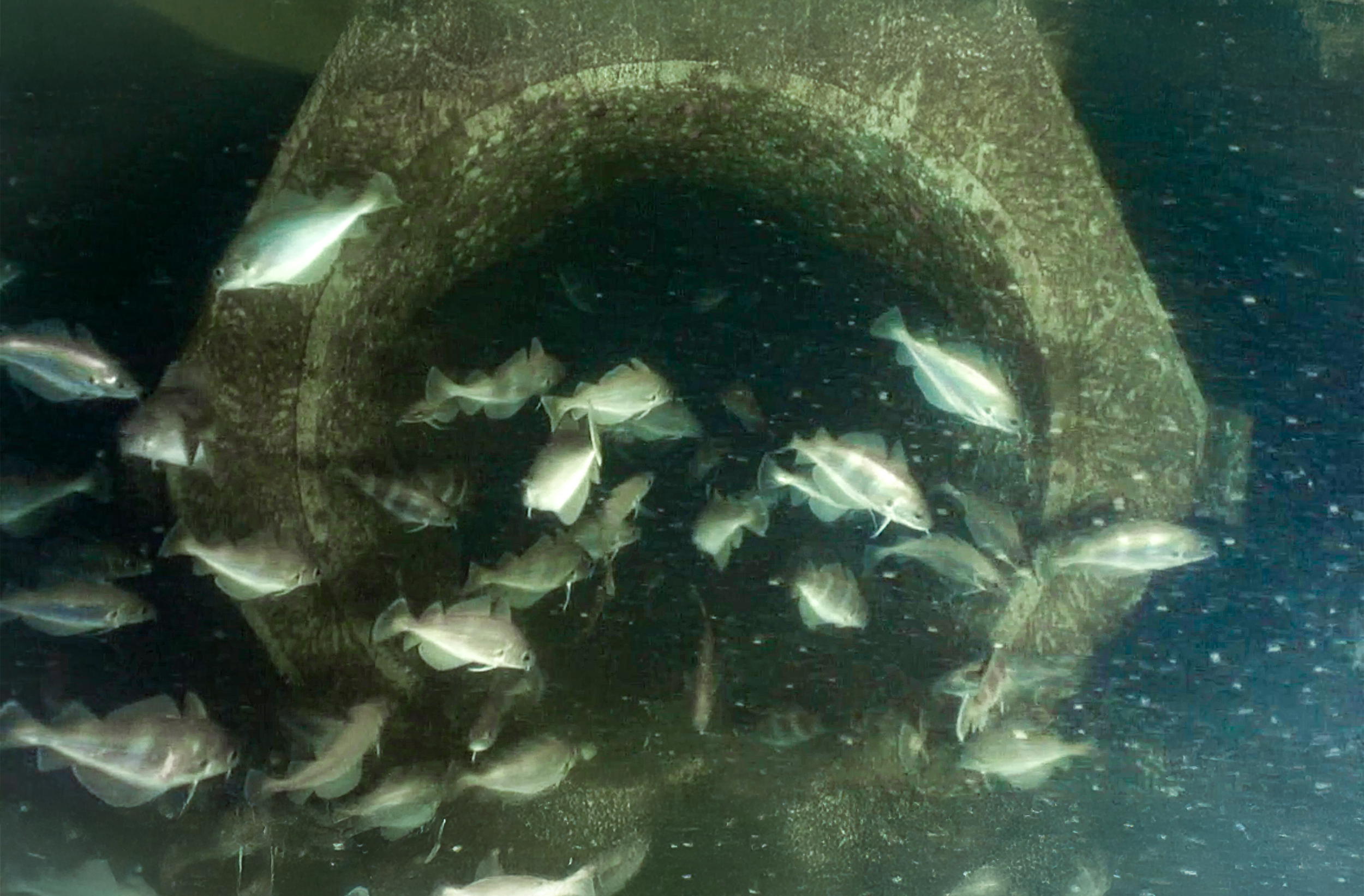
The Marine Ecological Surveys we offer include:
Environmental DNA surveys (eDNA) from both water and soil/sediments
Intertidal species surveys
Underwater video surveys (e.g. Baited Remote Underwater Video) for marine species
Remotely Operated Vehicle (ROV) surveys
Seagrass surveys
Saltmarsh surveys
Native oyster surveys
Case Studies
-
The Wilder Humber project is a collaboration between Yorkshire Wildlife Trust, Lincolnshire Wildlife Trust, and energy company Ørsted. The project aims to restore the endemic habitat and species of the Humber estuary, particularly focussing on saltmarsh, seagrass and native oyster reefs.
As part of this 5-year project, Exo Environmental have been contracted to monitor biodiversity at two sites on opposite sides of the estuary: one at Spurn Point on the north shore, and the other at Horseshoe point on the south. We began our monitoring in Summer 2024 and continued with another visit in Winter 2025.
This monitoring specifically focuses on the collection of environmental DNA (eDNA), which is simply the genetic material released by an organism. This material can be found in both sediment and water samples, depending on the type of organism you are looking to detect.
In the case of this project, both sample types have been taken, with sediment samples being collected from predetermined 1m2 plots. Surveys are conducted in both summer and winter to assess and account for seasonal differences, altogether ensuring a comprehensive understanding of the Humber’s biodiversity.
All samples were then sent to a genome laboratory for analysis, with the results of this being compiled into a full report for Wilder Humber. A 2024/25 report has already been completed, and we are scheduled to repeat the sampling again later this year.
-
Between May 2024 and February 2026, Exo Environmental have been supporting Oyster Heaven, working towards their goal of restoring Native oyster reefs around the North Sea and Norfolk coast.
Initial small-scale trials were undertaken of their Mother Reef oyster substrate technology in five intertidal and offshore locations around the North Norfolk Coast and the Wash. This firstly involved meeting the logistical challenges of installing the Mother Reefs colonised with juvenile oysters after they arrived directly from the oyster hatchery, ensuring the oysters stay healthy during transport to their new homes. Once safely deployed, Exo undertook monitoring of the oysters periodically, checking their survival and growth rates in the various habitats, along with identifying additional species colonising the Mother Reefs, using both morphological taxonomy and eDNA methods.
Results from the 12-month trials provided crucial data and learnings for the upcoming large-scale oyster reef restoration efforts. The first full-scale seabed restoration project began in September 2025 at a seaweed farm site offshore near Blakeney. Exo has provided help undertaking baseline surveys of the site, which included multibeam bathymetry, sediment sampling using Day grabs, Drop-Down Video surveys, and eDNA techniques, which together provide information on the environmental and ecological characteristics of the seabed at the site prior to restoration work commencing.
Throughout 2026, a planned 4 million juvenile oysters will be deployed at the site, and Exo will continue to provide monitoring support throughout the process, and in the coming years as the oyster reef develops.