
Water Vole Survey - Landmarc
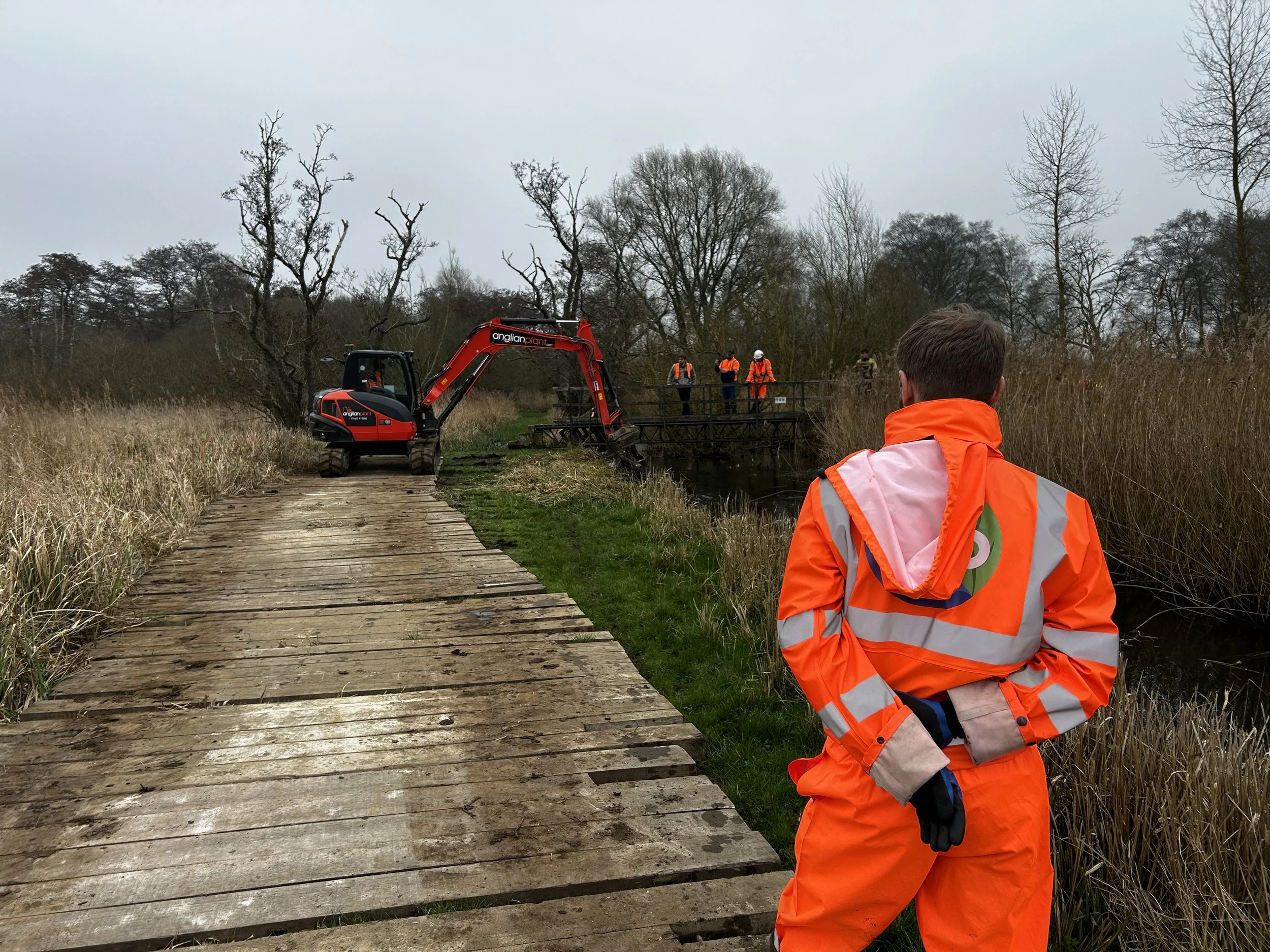
Landmarc Water Vole Survey
Due to habitat loss and predation by invasive species, the water vole is now seldom seen on British waterways.
Consequently, the species is heavily protected under the Natural Environment and Rural Communities Act 2006 and the Wildlife and Countryside Act 1981, which together mean that any development projects within its natural habitat must obtain the relevant species licence.
This is why we have recently been undertaking water vole surveys on behalf of Landmarc Support Services, as they seek to replace a footbridge within the STANTA training area near Thetford Forest, Norfolk.
The survey began with the Preliminary Ecological Appraisal (PEA). This first involved a desk study to classify which designations the site area is located within and then ascertain whether there were any threats to protected species. Though most other species were screened out, it was at this stage that, due to the site’s location on the River Wissey, it was realised further water vole surveys would be required.
These initial walkovers took place in November 2025, checking for feeding remains, burrows and latrines as signs that water voles may inhabit the site or the general vicinity. Although nothing was found immediately near to the footbridge, field signs and burrows were found with 5m of the site both upstream and downstream. Upon discovering this, a Natural England Assent was drafted and a methodology to protect these voles before construction began to take shape.
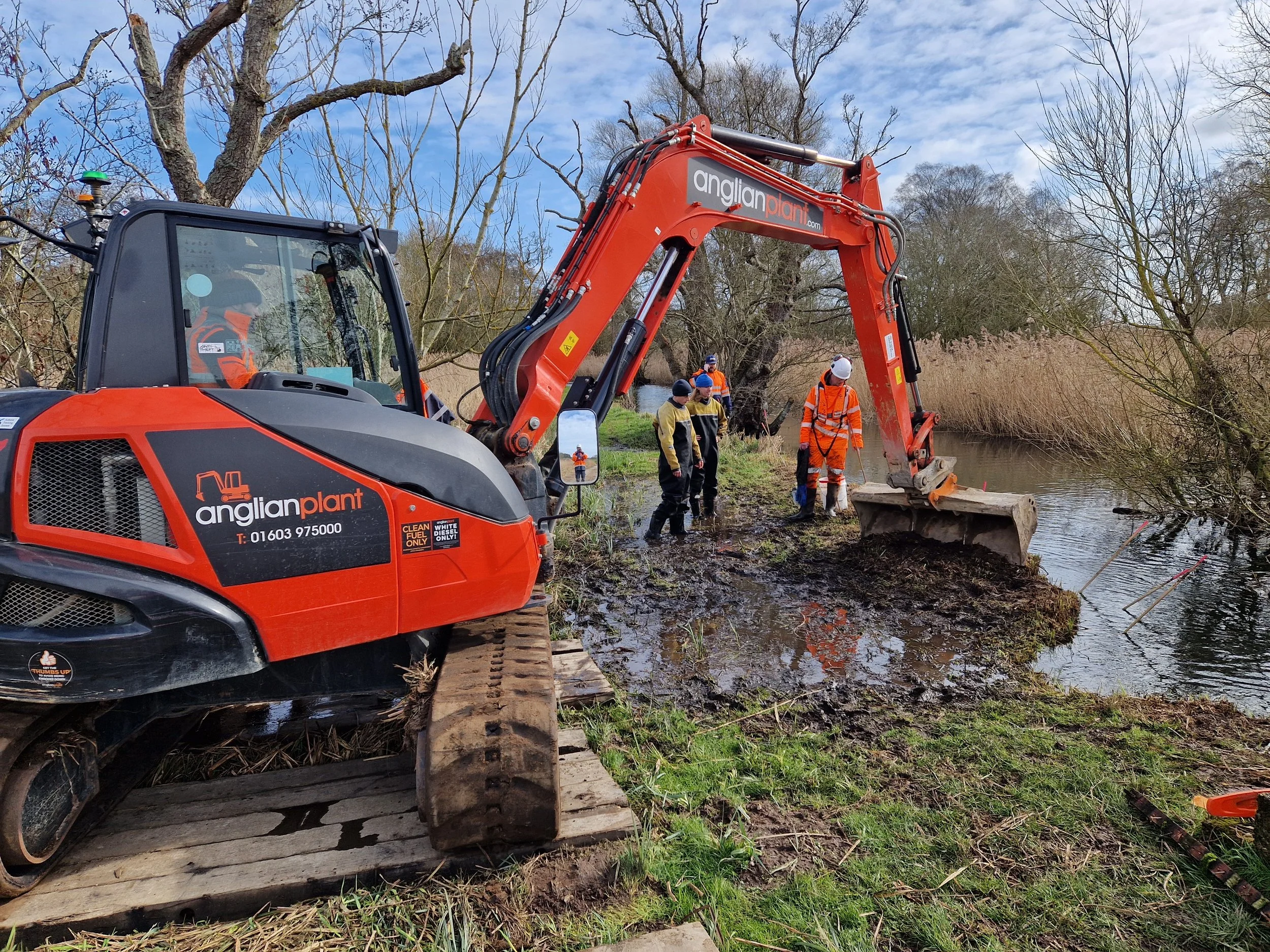
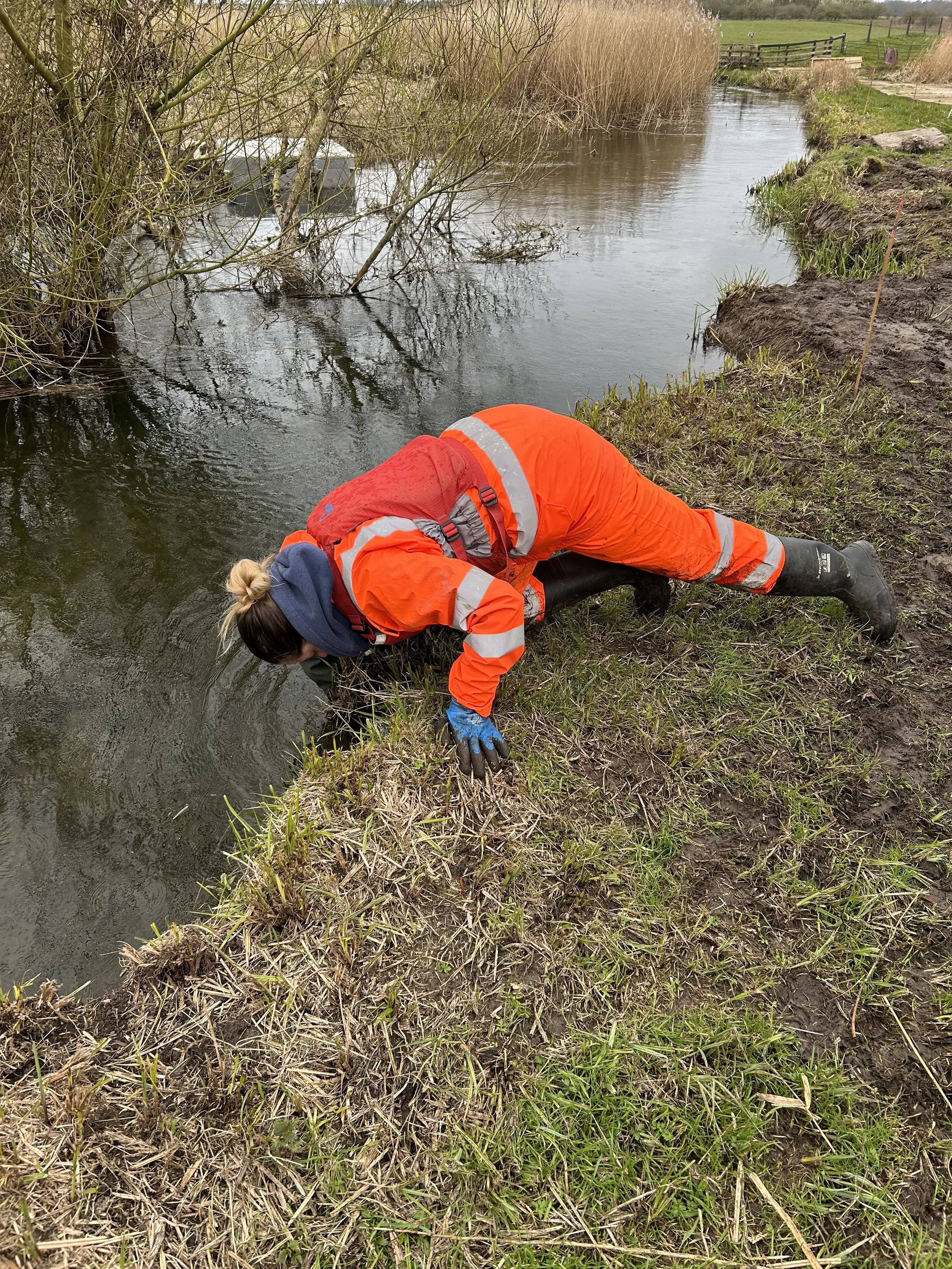
The overarching goal of this protection methodology is to displace the voles from the construction site so that none were present when the works begin. Starting in Spring 2026, the first step was to clear vegetation in the site area using a bradshaw bucket down to bare earth. This was followed by another walkover 2 days later to ensure no additional field signs had emerged since the clearance. With the site clear of any signs, destructive searches then too place. This involves destroying burrows by hand to make absolutely certain that no voles are present nor will they return once the works commence.
Once all of this was completed, the footbridge could finally be replaced, but the surveys are not quite finished. Now construction is complete, we will continue to monitor the site one day a year for the next 3 years to evaluate the water vole population and hopefully see it return to pre-construction levels.